Around Terrebonne, the subsurface can shift from compact glacial till to pockets of loose alluvial sand without warning. We see it constantly on sites near the Mille Îles River, where the water table sits just a meter or two below grade. A generic grouting specification won't cut it here. Our approach to grouting design starts with a clear diagnosis of the ground, because effective injection requires matching the grout rheology and pressure to the actual void structure. This isn't about filling holes blindly. It's about targeted permeation or compensation grouting that modifies soil behavior where it matters most. When a contractor calls us for a foundation near the old village core, we often recommend coupling the design with in-situ permeability testing to calibrate injection parameters before mobilizing the rig.
Grouting is not a product you buy by the liter. It's a process you engineer for the specific pore geometry of the ground under your site.
Methodology applied in Terrebonne
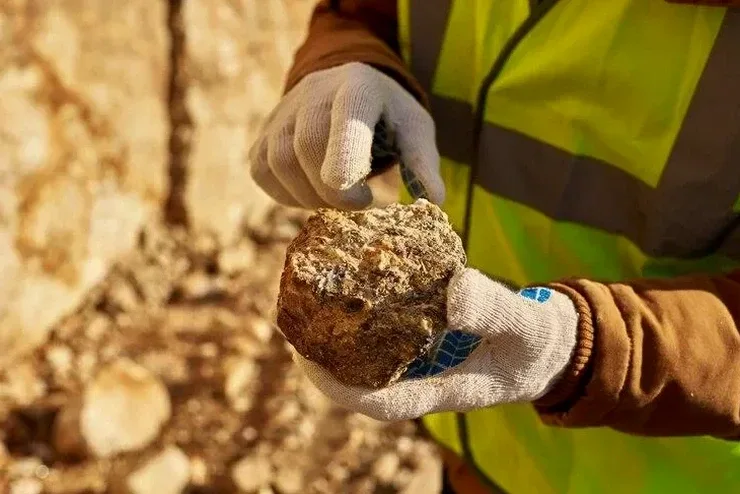
Local geotechnical conditions in Terrebonne
The most common mistake we see is contractors treating grouting as a fixed recipe — same pressure, same mix, same refusal criteria across the entire site. In Terrebonne, that leads straight to surface leaks, heave in adjacent footings, or untreated zones that settle later. We've walked onto sites where uncontrolled injection cracked basement slabs two doors down. Proper grouting design sets strict refusal criteria tied to volume, pressure, and ground movement, not just a pump gauge. It also mandates real-time monitoring with loggers and surface heave pins. Another overlooked risk is groundwater displacement. In the silty zones near the river, pushing grout too fast can drag contaminants into clean aquifers. Our designs include hydrogeological risk assessments and a sequenced injection plan that minimizes off-site migration.
Our services
Our grouting design package is built around what contractors in the Terrebonne area actually need to execute the work safely and pass inspection.
Grouting Design and Specification Package
Complete injection plan including grout selection, hole layout, pressure/volume limits, QA/QC protocols, and post-treatment verification criteria. Signed and sealed for permit submission in Quebec.
Construction-Phase Grouting Support
On-site technical support during injection. We adjust the design in real time based on grout takes, pressure trends, and observed ground response, ensuring the treatment meets performance specs without overruns.
Questions and answers
How much does a grouting design typically cost for a site in Terrebonne?
A complete grouting design package for a typical Terrebonne project ranges from CA$1,660 to CA$5,870, depending on site complexity, treatment volume, and the level of construction-phase support required. We deliver a fixed-fee proposal after reviewing the geotechnical baseline report.
What type of grout works best for the sandy soils common along the Mille Îles River?
For clean to silty sands with moderate permeability, we typically specify microfine or ultrafine cement-based grouts. Their particle size allows deep permeation without hydraulic fracture. In cases where very low viscosity is needed, we may design a two-stage program starting with a microfine cement curtain and finishing with a low-viscosity chemical grout to achieve the target residual permeability.
How do you verify that the grouting has actually improved the ground?
Verification is mandatory. We specify pre-treatment and post-treatment in-situ tests at the same locations. This usually involves SPT or pressuremeter testing to compare strength and stiffness, plus falling-head permeability tests if groundwater control was the objective. We also define acceptance criteria for grout take volume per stage and require real-time pressure and flow logging during injection.
Can grouting design prevent damage to neighboring structures during injection?
Yes, and that's a core part of our design process. We set strict injection pressure limits based on overburden stress, monitor ground heave with laser levels or prisms, and sequence the injection from the periphery inward to contain pressure. For very sensitive adjacent structures, we include compensation grouting principles, injecting small volumes incrementally while continuously measuring movement.